In 2026, AI is not replacing managers. It is quietly changing what effective management looks like.
A few years ago, a good manager was often judged by how much they knew, how quickly they could respond, and how well they could keep everything moving. Today, that definition is shifting. The managers who are standing out are not the ones trying to do everything manually. They are the ones using AI to reduce clutter, sharpen judgment, and spend more time on the human side of leadership.
Consider a typical workday. A manager starts with a flood of emails, meeting updates, performance concerns, project delays, and team questions. In the past, much of the day was spent sorting through the noise. Now, AI tools can summarize meetings, draft follow-up notes, surface priorities, identify bottlenecks, and even help prepare one-on-one conversations. That means managers can spend less time reacting and more time leading.
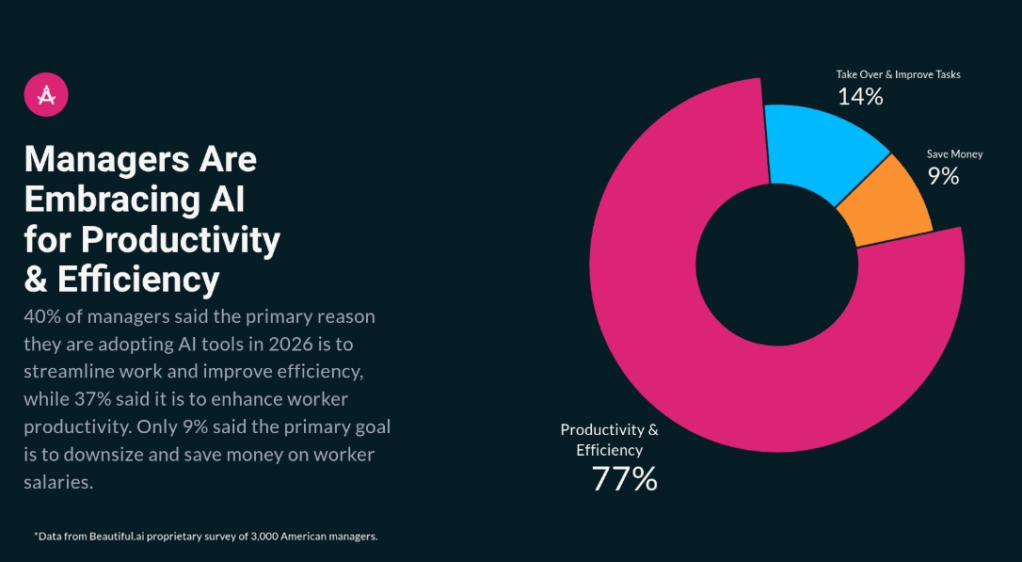
But the real transformation is not operational. It is behavioral. AI is pushing managers to become better coaches, better decision-makers, and better communicators. When routine tasks are automated, the manager’s value shifts from being the person who has all the answers to being the person who asks better questions. The manager of 2026 is expected to notice patterns, interpret context, and create clarity in moments where teams feel overloaded or uncertain.
This is especially important for first-time managers. Many of them are stepping into leadership at a time when team expectations are rising, hybrid work is normal, and change is constant. AI gives them support, but it also raises the bar. A manager who uses AI well can spot performance issues earlier, personalize feedback faster, and lead with more consistency. A manager who ignores it risks becoming slower, less visible, and less effective.
The most effective managers in 2026 will not be the most technical. They will be the most adaptable. They will use AI as a thinking partner, not a crutch. And they will understand that leadership is still deeply human, even in an AI-enabled workplace.


Leave a comment