If you want stronger business results, emotional intelligence is not optional. High-EQ organizations communicate better, adapt faster, handle conflict more effectively, and build the trust needed for sustained performance.
I used to think emotional intelligence was a “nice to have.” Something useful for difficult conversations, but not something that really moved business results. Over time, I realized how wrong that assumption was. The teams that consistently delivered stronger outcomes were not just the smartest or fastest teams. They were the ones that worked with trust, clarity, and emotional awareness. In other words, they had higher Emotional Quotient (EQ).
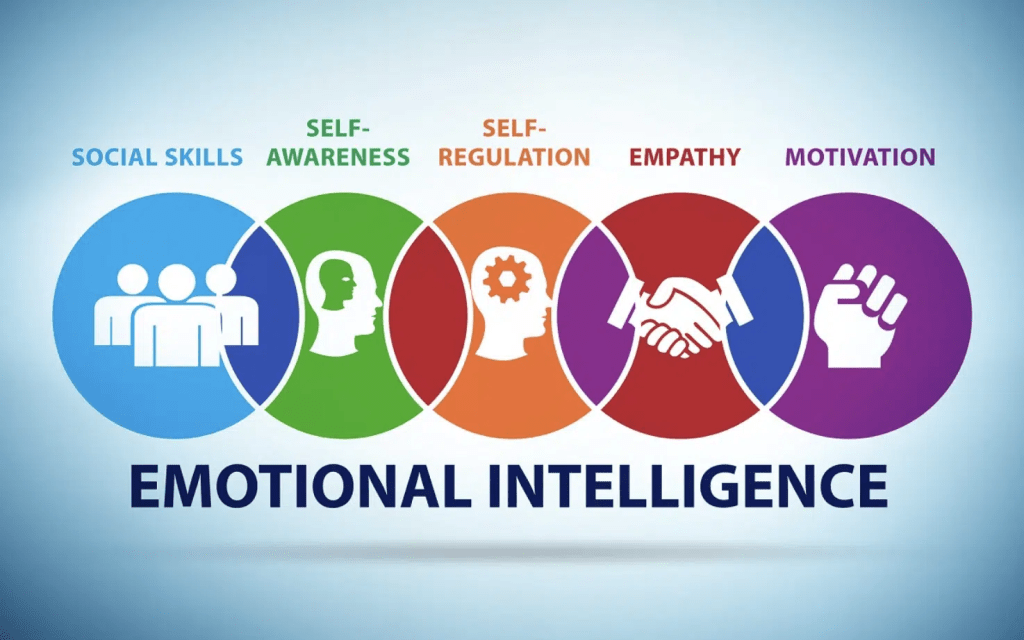
What is EQ in the workplace?
EQ, or emotional intelligence, is the ability to understand and manage emotions in yourself and others. In the workplace, it shows up in how people listen, respond under pressure, give feedback, handle conflict, and make decisions when the stakes are high. It is a core leadership skill because it affects communication, collaboration, and execution.
For managers, EQ is especially important because it helps you see beyond surface-level behavior. A missed deadline may not always mean lack of commitment. It may signal burnout, confusion, low confidence, or misalignment. Managers who understand this can respond more effectively and support better performance.
Why EQ drives business performance
Organizations with high EQ often outperform because trust makes work move faster. When employees feel respected and understood, they are more willing to speak up, share concerns early, and take ownership. That reduces friction, improves decision-making, and creates stronger collaboration across teams.
High-EQ cultures also tend to have better retention and engagement. People are more likely to stay in environments where they feel psychologically safe and valued. That matters because turnover is expensive, and disengagement quietly drains productivity. Emotional intelligence is not just about “soft skills.” It is about creating the conditions where business results become more sustainable.
EQ and leadership impact
From a manager’s standpoint, EQ changes how you lead every day. A high-EQ manager knows when to push and when to pause. They can read the room, adapt their style, and create space for honest dialogue. They handle difficult conversations without creating unnecessary fear or resistance.
This becomes even more important during periods of change. When teams face new systems, AI adoption, restructuring, or shifting priorities, resistance often comes from uncertainty and emotional overload. Managers with EQ communicate the why, acknowledge the fear, and bring people along with empathy and clarity. That is how transformation becomes real instead of theoretical.
How managers can build EQ
If you want stronger performance, EQ needs to be developed intentionally. Managers can build it by focusing on a few core habits:
- Listen before reacting.
- Ask better questions.
- Notice emotional cues in meetings and 1:1s.
- Give feedback with clarity and care.
- Regulate your own stress before leading others.
- Create a culture where people can speak honestly.
These practices strengthen trust, improve team dynamics, and make leadership more effective. Over time, they also help managers become more consistent and credible.
Why this matters now
The future of work will continue to demand technical skill, speed, and adaptability. But those strengths alone are not enough. The organizations that will stand out are the ones where people can think clearly, collaborate deeply, and lead with emotional intelligence.
For managers, the message is simple: EQ is not soft. It is strategic.
And for organizations, the payoff is clear: when EQ goes up, performance usually does too.
If you are building managers who can lead with both intelligence and empathy, that is the kind of capability worth investing in.


Leave a Reply