Learning a new language, a new practice, new organization – these are some instances related to change and how we as individuals respond to a change. Learning a new language – always sounds daunting, atleast to the one who has been asked this question.
Recently, when I visited my daughter’s school for a Science and Literature fair, I came across an interesting stall:
- There were charts made by the students to help learn Kannada terms for daily activities, one with Kannada terms for pulses and basic grocery. The approach intrigued me.
- Having validated the Kannada charts (since I know the language), I then moved on to the next chart, where they have applied this approach for Sanskrit this time – a language less known to me. This is where I could truly appreciate the ease this approach brought to a learner.
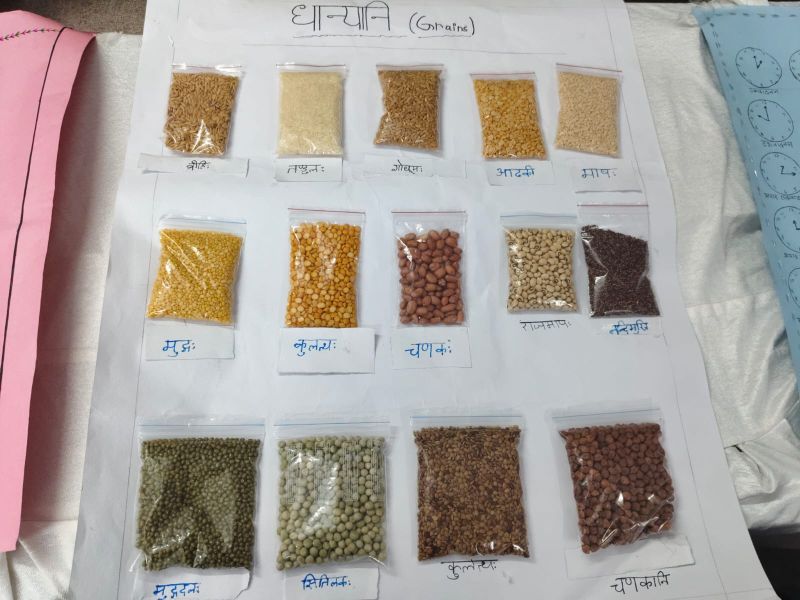
What is easier? Asking someone – do you know Sanskrit or hearing them say Sanskrit names for dals, pulses and daily activities like walk, sit, stand? Same problem – but the problem statement reframed, to enable an easier resolution.
Now, try to draw a parallel to something that you encounter as a daunting situation, or a difficult person to deal with, a situation that you feel stuck at. We often go in circles trying to figure out a resolution. This time, try to ‘reframe’ your problem statement. Watch the magic unfold, as you find reframing bring you closer to a resolution.
Do share your experience with reframing here!
 Rise of Tribes
Leave a comment