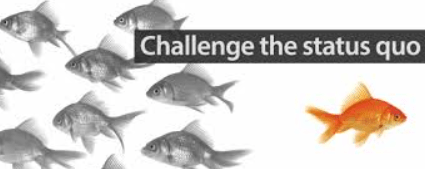
• Firstly, thank you for sharing your do-different from today, and I look forward to hearing from many more! (on how you challenged the status quo during your day!)


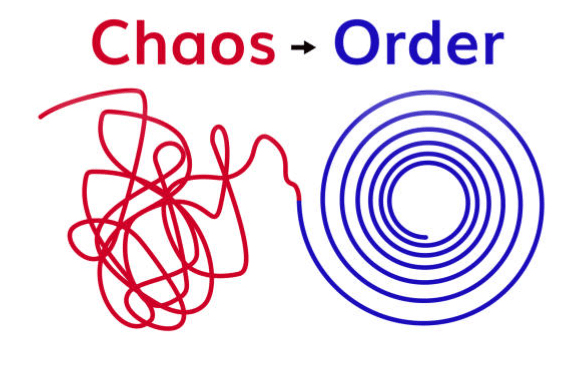
    Last post was about making a change – as small as taking a new route, a different type of tea, etc. When we look at a change of a slightly larger #magnitude, possibly to bring an #impact to our own self, our team, our #circle of people – this needs a #method to madness.

    3 simple steps to get you started:
    1. Understanding the gap or issue that needs fixing
    2. What is the Current outcome (A) versus the Desired outcome (B)?
    3. Resources needed to get from A to B (People, skill, tool, time, etc?)

    Process and systems have always been close to me, so more on this in upcoming posts !

    #change #process #systemthinking #leadershipjourney #chaos

  • Most often we tend to go through our day with muscle memory (almost on autopilot). At the workplace or outside, we have a set routine and it’s ‘comfortable’ following that routine, sometimes resulting in making us stay in our ‘comfort zone’. What we fail to understand is that the ‘comfort zone’ can soon become a #growth deterrent.

    I have consciously tried to change or challenge the status quo, many times even taking an unconventional approach to an objective at hand. (People working with me can vouch for this! 🙂 )

    ‘Challenging status quo’ may sound big, but can be as simple as taking a different route back home from work, trying a different tea when you take a break, walking up to someone to just say Hi, etc. This makes a difference as our brain gets a #refresh, helping it to open up new ideas and fresh perspectives.

    Try one new or different thing in a day, in 3 days you will see the difference it makes!

    #growthmindset #change #leadershipjourney

  • Learning a new language, a new practice, new organization – these are some instances related to change and how we as individuals respond to a change. Learning a new language – always sounds daunting, atleast to the one who has been asked this question.

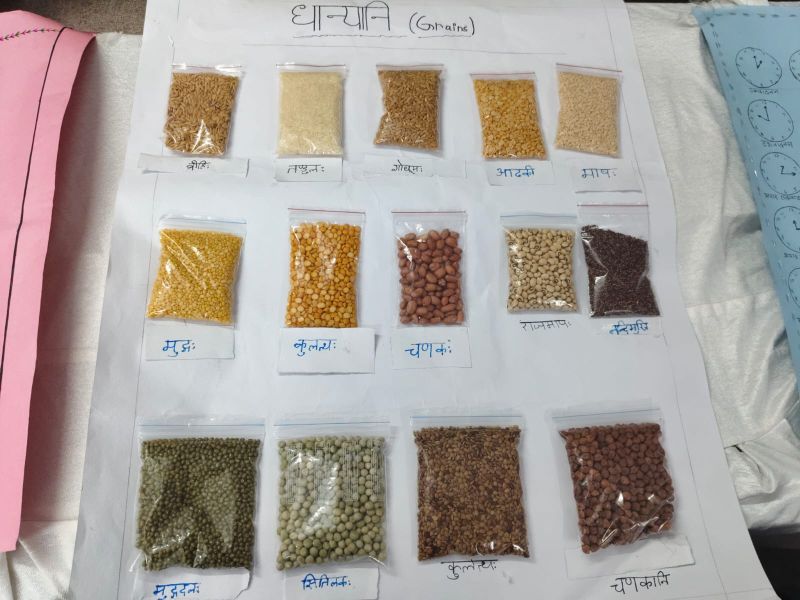
    Recently, when I visited my daughter’s school for a Science and Literature fair, I came across an interesting stall:

    • There were charts made by the students to help learn Kannada terms for daily activities, one with Kannada terms for pulses and basic grocery. The approach intrigued me.
    • Having validated the Kannada charts (since I know the language), I then moved on to the next chart, where they have applied this approach for Sanskrit this time – a language less known to me. This is where I could truly appreciate the ease this approach brought to a learner.

    What is easier? Asking someone – do you know Sanskrit or hearing them say Sanskrit names for dals, pulses and daily activities like walk, sit, stand? Same problem – but the problem statement reframed, to enable an easier resolution.

    Now, try to draw a parallel to something that you encounter as a daunting situation, or a difficult person to deal with, a situation that you feel stuck at. We often go in circles trying to figure out a resolution. This time, try to ‘reframe’ your problem statement. Watch the magic unfold, as you find reframing bring you closer to a resolution.

    Do share your experience with reframing here!